Comprehensive Conclusion and Strategic Clinical Recommendations
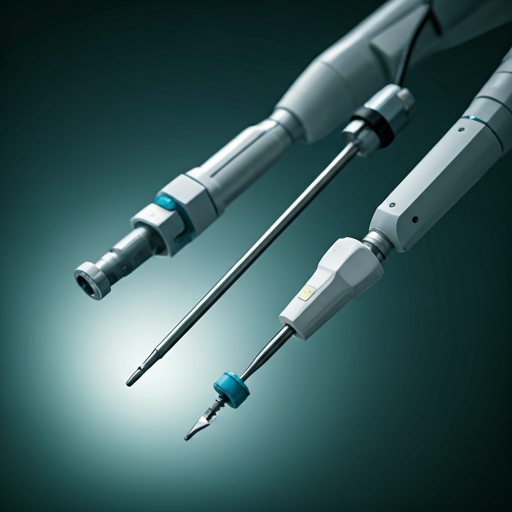
Based on a rigorous review of medical literature and modern clinical practice, these consensus guidelines issued by the Saudi Urological Association (SUA) confirm that robotic surgery is no longer just a modern technique, but has become the Gold Standard for numerous complex reconstructive and oncological procedures. The da Vinci technology has proven its superior ability to revolutionize Minimally Invasive Surgery (MIS).
Alignment with Saudi Vision 2030
The Kingdom of Saudi Arabia is a leading model in the Middle East. Since the introduction of the first surgical robot in 2003, the medical infrastructure has expanded to include 16 advanced robotic systems (Xi and Si). This strategic direction aligns closely with the Health Sector Transformation Program under Vision 2030, aiming to restructure the health system into a patient-centric ecosystem.
Clinical Outcomes and Proven Medical Benefits
Clinically, the study provides conclusive data supporting robotic superiority, highlighted by the following:
-
Prostate Oncology (RARP): A significant reduction in complication rates (only ~4%), achieving excellent functional metrics like continence and potency.
-
Kidney Surgeries (RAPN): Robotic partial nephrectomy showed a marked decrease in ischemia time, directly contributing to long-term renal function preservation.
-
Radical Cystectomy (RARC): A safe and effective option with a noticeable increase in lymph node yield, lower transfusion rates, and shorter hospital stays.
Surgeon Ergonomics and Rapid Patient Recovery
The benefits extend beyond the patient to the surgeon, providing an ergonomic workstation that prevents occupational injuries. For the patient, smaller incisions translate directly to reduced postoperative pain, and a 77% decrease in the risk of blood clots, ensuring a record-time return to normal life.
Economic Viability and Future Outlook
Despite the high capital cost, comprehensive economic analysis proves long-term Cost-effectiveness. The sharp decline in Length of Stay (LOS), reduced intensive care, and lower Readmission Rates effectively offset the initial costs.
In conclusion, this study strongly recommends expanding Medical Insurance Coverage to include these procedures, alongside an intensive focus on fellowship training programs for future Saudi surgeons.